
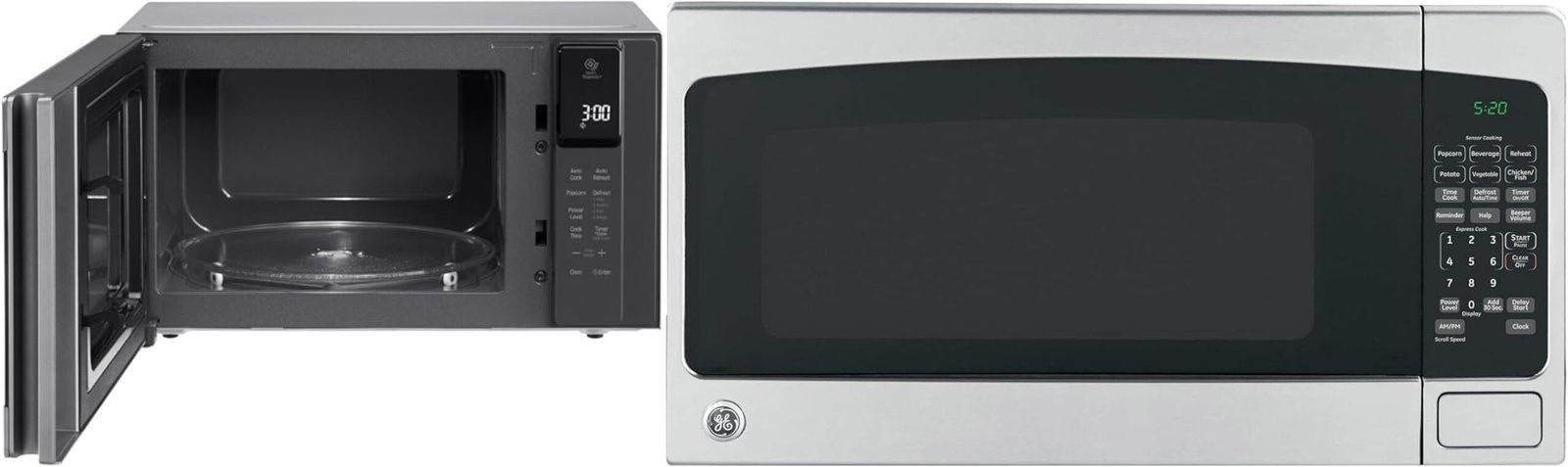
Choosing the right microwave oven for your kitchen can be a daunting task, especially when you’re comparing two reputable brands such as LG and GE. With differing features, capacities, and design philosophies, it’s important to understand how these brands differ and which model will best suit your needs. Below we’ll dive into the detailed comparison, highlight the main difference, and guide you through key considerations so you can make an informed decision.
Main Difference Between LG and GE Microwaves
The main difference between LG and GE microwaves lies in their feature focus and design orientation. LG tends to emphasise higher-end functionalities like smart connectivity, sensor cooking and premium finishes, whereas GE often focuses on affordability, straightforward controls and reliable essential features. This means if you are looking for advanced tech and premium design, LG may serve better; if you want dependable basics and value, GE could be the smarter choice.
Brand Profiles: LG
LG has built a reputation for delivering innovative kitchen appliances that offer smart features, modern aesthetics and premium build quality. For example, the LG MVEM1825F model is described as having a PrintProof stainless steel finish, 1000-watt power, stainless steel interior, and a capacity of 1.8 cubic feet. :contentReference[oaicite:2]{index=2}
Key attributes of LG microwaves include:
- Premium materials and finishes (e.g., PrintProof stainless steel) that resist fingerprints and smudges. :contentReference[oaicite:3]{index=3}
- Higher power ratings (e.g., 1000 watts) which can translate to faster cooking. :contentReference[oaicite:4]{index=4}
- Large internal capacity (1.8 cu ft in the example) which is beneficial if you reheat larger dishes or use for families. :contentReference[oaicite:5]{index=5}
- Easy-to-clean interior materials and design emphasis on convenience. :contentReference[oaicite:6]{index=6}
These features make LG microwaves a good match if your kitchen style leans modern, you have frequent reheating needs, or you want a “premium” appliance feel.
Brand Profiles: GE
GE Appliances meanwhile aim to deliver dependable performance with user-friendly controls and straightforward feature sets. For example, the GE GCST07N1WSS model offers a 0.7 cubic-foot capacity, 700-watt power, child-lock technology and six auto cooking settings. :contentReference[oaicite:7]{index=7}
Key attributes of GE microwaves include:
- Compact size options (0.7 cu ft example) – ideal for small kitchens, dorms, apartments or countertop use. :contentReference[oaicite:8]{index=8}
- Lower wattage (700 W in the example) which may suffice for lighter reheating tasks and smaller households. :contentReference[oaicite:9]{index=9}
- User-friendly features such as instant one-touch controls, child-lock safety features and standard designs. :contentReference[oaicite:10]{index=10}
- Reliable brand heritage with focus on essential performance rather than ultra-premium spec. :contentReference[oaicite:11]{index=11}
For users seeking a reliable daily-use microwave without the highest premium features, GE offers solid value and simplicity.
Side-by-Side Comparison Table
Here’s a table summarising key differences so you can clearly compare LG and GE across features. This table is responsive for mobile display.
| Feature | LG Model Example | GE Model Example |
|---|---|---|
| Wattage / Power | 1000 W (LG MVEM1825F) :contentReference[oaicite:12]{index=12} | 700 W (GE GCST07N1WSS) :contentReference[oaicite:13]{index=13} |
| Internal Capacity | 1.8 cu ft :contentReference[oaicite:14]{index=14} | 0.7 cu ft :contentReference[oaicite:15]{index=15} |
| Finish & Materials | PrintProof Stainless Steel, easy-clean interior :contentReference[oaicite:16]{index=16} | Standard Stainless Steel & Black Glass :contentReference[oaicite:17]{index=17} |
| Smart / Premium Features | Higher-end, sensor cook, smart integration (in many LG models) :contentReference[oaicite:18]{index=18} | Basic auto cook presets, child-lock safety, simpler controls :contentReference[oaicite:19]{index=19} |
| Target Use Case | Full kitchen, frequent use, modern design-forward homes | Compact spaces, budget-conscious buyers, simple reheating tasks |
- TWO-STEP CHILD LOCK: This mandatory feature helps prevent unintended use by younger family...
- CONVENIENT CONTROLS: Simple, one-touch operation with Instant On express cooking controls and...
Performance & Cooking Capabilities
When evaluating performance, consider wattage, turntable design, interior finish and cooking presets.
- Wattage: With 1000 W, the LG example will heat and cook faster compared to the GE example which offers 700 W. Higher wattage helps when cooking larger quantities or using more complex cooking tasks.
- Turntable and interior design: A well-designed turntable and interior help ensure even cooking and easier cleanup. LG’s easy-clean interior is a plus. :contentReference[oaicite:20]{index=20}
- Cooking presets and sensors: Premium models often offer sensor cooking, barcode scan-to-cook, smart features (as seen in LG). The GE model offers auto-cook presets and one-touch controls which are good for basic use. :contentReference[oaicite:21]{index=21}
In practical terms: if you often reheat large dishes, cook meals in the microwave or use multiple family members in the kitchen, the LG model’s higher power and capacity will give you more flexibility. If instead your microwave is mainly for reheating leftovers, popping popcorn or occasional use in a small space, the GE model’s simpler design is more than sufficient.
Design, Build & Aesthetics
Design becomes more than just “how it looks” — it includes materials, control interface, finish durability and how the appliance integrates into your kitchen.
The LG model’s PrintProof stainless steel finish helps resist fingerprints and smudges which keeps it looking clean in modern kitchens. :contentReference[oaicite:22]{index=22} On the build front, a capacity of 1.8 cu ft gives more internal room which might affect how it fits into cabinetry or countertop space.
The GE model is more compact — 0.7 cu ft capacity and simpler design make it suitable for smaller kitchens or where space is constrained. :contentReference[oaicite:23]{index=23} Its materials and finish are good but focus more on function and value than premium aesthetics.
When choosing between them, also consider how the microwave will look next to your other appliances (fridge, oven, dishwasher) — matching finishes and size matter for visual cohesion.
Feature Set & Additional Functionalities
Beyond the core heating functionality, features can make a big difference in usability and satisfaction.
For example, LG’s model mentions “Easy to Clean” as a special feature and specifies inclusion of tools, stainless steel inner material etc. :contentReference[oaicite:24]{index=24} GE’s model highlights a Two-Step Child Lock feature, convenient controls, Instant On and multiple cooking modes. :contentReference[oaicite:25]{index=25}
Some features to check when comparing models:
- Child safety lock — especially important for households with young children (GE includes it). :contentReference[oaicite:26]{index=26}
- Auto-defrost and sensor cook functions — help simplify cooking process (LG model includes Auto Defrost in spec). :contentReference[oaicite:27]{index=27}
- Interior materials and ease of cleaning — stainless steel interiors, easy-clean surfaces reduce maintenance hassles (LG offers this).
- Installation type and footprint — countertop vs built-in, and size constraints matter (GE model is countertop). :contentReference[oaicite:28]{index=28}
- Preset cooking modes and convenience features — help with everyday tasks like popcorn, pizza, reheat, defrost etc.
Value & Price Considerations
Price is always a practical consideration. While we don’t have specific localised pricing here, the spec differences reflect a premium vs value dichotomy: LG models tend to cost more because of higher wattage, larger capacity, premium finishes and advanced features. GE models tend to be more affordable owing to simpler design, lower wattage and smaller capacity.
When assessing value, ask yourself:
- Do I need a large capacity or high wattage? If not, saving money with a simpler model makes sense.
- Will I benefit from premium features (sensor cook, easy-clean interior, smart connectivity) or will a basic microwave suffice?
- How does the model integrate into my kitchen space and décor? Premium finishes may be more appealing but cost more.
- What is the usage pattern? Frequent cooking demands may justify the higher investment; occasional use may not.
Which Brand Should You Choose Based on Your Needs?
Here’s a quick guide to help you decide which brand might be better for you.
- Choose LG if:
- You have a larger household, cook often and use the microwave heavily.
- You have space for a larger capacity unit and want premium finishes and smart features.
- You want higher wattage so you can cook or reheat quickly and thoroughly.
- You care about aesthetics, modern design and easy-clean surfaces.
- Choose GE if:
- You have limited countertop space or a smaller kitchen (apartment, dorm, etc.).
- You mainly use the microwave for reheating, popcorn, basic cooking tasks and don’t need advanced features.
- You want reliable performance at a lower cost and simpler controls.
- You prioritise value and practicality over premium features or finishes.
Installation & Practical Considerations
When you purchase a microwave, installation and location matter significantly:
- Measure your available space: height, width, depth. LG units with larger capacity will generally need more room.
- Ensure adequate ventilation and that your countertop or cabinet can support the unit’s depth and weight.
- Consider whether you want the microwave on the countertop or built into cabinetry; some larger LG models may require specific installation types.
- Check power supply requirements: higher wattage models will draw more power; ensure your kitchen socket and wiring are compatible.
- Consider accessibility: will you reach the controls easily? Are the presets and child lock features appropriate for your household? GE’s child lock is a strong point. :contentReference[oaicite:29]{index=29}
Durability, Warranty & Brand Support
Both LG and GE are established brands with wide service networks and reputation for reliability. However, you should still look at the specific warranty terms, availability of spare parts in your region (especially if you are purchasing in Pakistan or importing), and reviews on long-term reliability.
Since the LG model includes premium finishes and more features, in case of malfunction you might face higher repair costs or more complex service. With the simpler GE model, repairs may be less costly or complex.
Final Verdict
If I were to summarise: for a kitchen where you want the very best in design, capacity and cook power, the LG option stands out. For a kitchen where space is limited, budget matters, and you want a microwave that reliably does the basics well, the GE option is a strong contender.
The key is aligning the brand, model features and your usage pattern. If you rarely use the microwave for anything beyond reheating, you may not need to invest in the premium features that come with LG. On the other hand, if your microwave is a central part of your daily cooking and you appreciate higher power, capacity and finish, then LG makes sense.
In summary:
LG = Premium, High-spec, Larger-scale use.
GE = Practical, Value-focused, Smaller-scale or everyday use.
When you compare models in your region (considering price, availability, service support and warranty), pick one that meets your space constraints, cooking needs and budget. The differences between LG and GE as outlined above should help steer you to the brand that suits you best.


